Layali Lubnan (Semolina Milk Pudding)

Silky semolina pudding layered with creamy ashta and crowned with crushed pistachios — a classic Lebanese treat that’s elegant, nostalgic, and easy to make for gatherings.
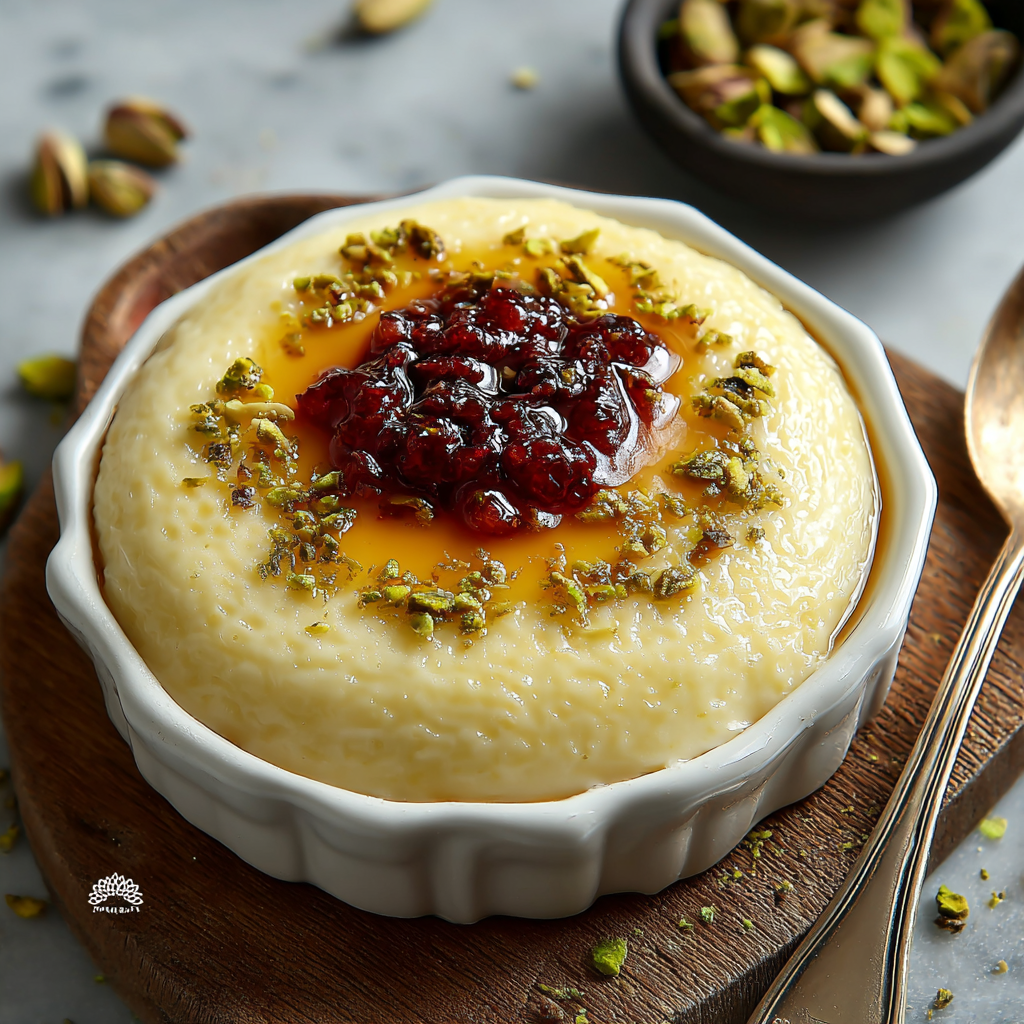
This recipe for Layali Lubnan — a layered semolina milk pudding topped with ashta and pistachios — is one of those desserts that instantly transports me back to long family dinners and festive gatherings. I first tasted a version of this in a small Beirut café years ago; the spoonfuls were cool and fragrant, the texture balancing a gentle graininess with cloud-like cream. Over time I adjusted the balance of milk, semolina, and sugar, and learned a few technique tricks that turn a good batch into a memorable one: small, steady heat; patient whisking; and the always-essential simple syrup to finish.
What I love about this version is how approachable it is. You don’t need unusual ingredients—most can be found at a well-stocked supermarket or Middle Eastern grocery—and the steps are forgiving if you keep an eye on thickness and temperature. The finished slices are elegant enough for company yet comforting enough for a weeknight treat. The bright crunch of pistachios and the faint floral lift of orange blossom water give each bite a perfect contrast to the creamy base.
Why You'll Love This Recipe
- Layered texture: a silky semolina base topped with home-made ashta gives both structure and cloud-like creaminess in every bite.
- Quick active time: only about 20 minutes of hands-on cooking and 2 hours of chilling — ideal for make-ahead entertaining.
- Pantry-friendly: uses staples like semolina, milk, and sugar; small optional additions (mastic, orange blossom) elevate the flavor without complexity.
- Customizable sweetness: the simple syrup is served separately so each person can drizzle to taste — great for picky eaters or varying preferences.
- Elegant presentation: slices topped with bright crushed pistachios look stunning on a platter for celebrations or holiday dessert tables.
- Kid-friendly and crowd-pleasing: creamy comfort with subtle floral notes that usually gets second helpings.
In my kitchen this dessert became a celebration staple: I brought it to a cousin’s engagement party and everyone asked for the recipe. It’s the sort of dish that sparks memories — the gentle hum of conversations, bowls being passed around, and the small ritual of drizzling syrup over a chilled slice.
Ingredients
- Fine semolina: 1 cup. Use fine or very fine semolina (sometimes sold as "rava" or "semolina flour"). Coarser grinds create a more rustic texture; fine semolina yields silkier results. Brands like Bob's Red Mill fine semolina work well.
- Whole milk: 5 cups for the pudding layer plus 1/2 cup for the ashta and 1 cup heavy cream. Full-fat milk creates a rich, satisfying mouthfeel; reduced-fat will produce a thinner texture.
- Sugar: 2 tbsp in the pudding and 2 tbsp in the ashta. The dessert relies on simple syrup for sweetness, so the cooked layers are only lightly sweetened.
- Ground mastic (optional): 1/4 tsp. This resin adds an authentic subtle piney, resinous aroma; a tiny amount goes a long way — crush it finely before adding.
- Orange blossom water (optional): 1 tsp total, used sparingly to finish both layers and the syrup for floral fragrance.
- Ashta components: 1/2 cup milk, 1 cup heavy whipping cream, 1 tbsp all-purpose flour, 2 tbsp corn starch, 2 tbsp sugar. These combine to form the thick, creamy topping that mimics traditional ashta cream.
- Pistachios: 3/4 cup crushed, for garnish. Use lightly salted or unsalted shelled pistachios; lightly toasting them for 3–4 minutes brings out aroma.
- Simple syrup: 2 cups sugar to 1 cup water, simmered and finished with 1 tsp orange blossom water (adjust to taste). Serve warm or room temperature for drizzling.
Instructions
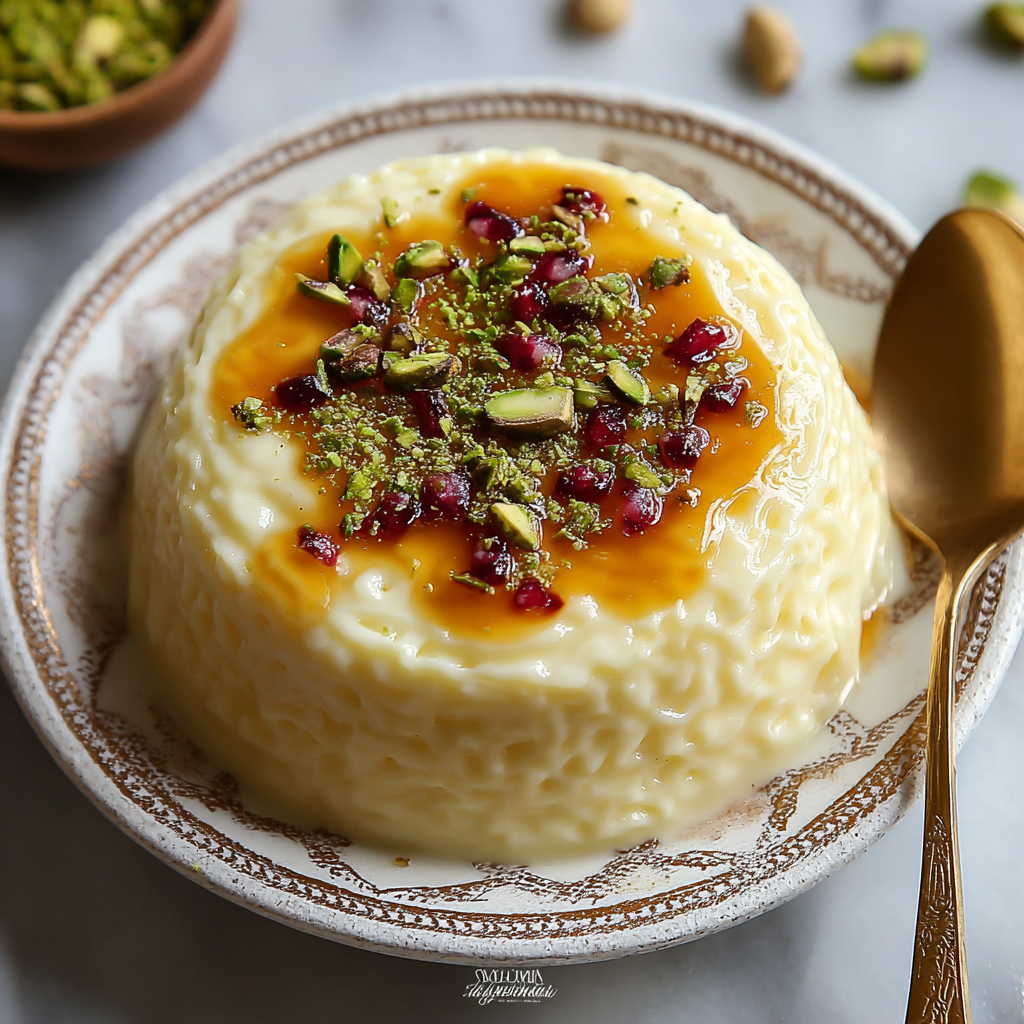
Make the ashta topping: Combine 1/2 cup milk, 1 cup heavy whipping cream, 1 tbsp all-purpose flour, 2 tbsp corn starch, and 2 tbsp sugar in a medium saucepan. Whisk vigorously off the heat until smooth with no lumps, then place over medium-high heat. Keep whisking constantly; within about 4–6 minutes the mixture will thicken to a creamy, pourable consistency. Remove from heat, add a drizzle (about 1/2 tsp) of orange blossom water if using, then transfer to a bowl and press plastic directly onto the surface to prevent a skin. Prepare the semolina base: In a separate saucepan, combine 1 cup fine semolina, 5 cups whole milk, 2 tbsp sugar, and 1/4 tsp ground mastic (if using). Whisk together off heat until the semolina is evenly moistened, then set over medium-high heat. Stir continuously for about 8–12 minutes; you’ll see the mixture thicken and pull away slightly from the sides, becoming pourable but holding shape. Adjust heat so it simmers gently — too high and it can clump. Remove from heat and stir in 1 tsp orange blossom water last. Assemble the layers: Pour the hot semolina mixture into a lightly oiled 9x11-inch pan and spread evenly. Let it rest 8–10 minutes so the surface sets slightly but is still warm. Spoon the ashta evenly over the semolina and spread gently to cover. Scatter the crushed pistachios all over the top, pressing lightly so they stick. Make the simple syrup: While the dessert cools, place 2 cups sugar and 1 cup water in a small saucepan. Bring to a gentle simmer and cook 5–10 minutes until slightly thickened. Remove from heat and stir in 1 tsp orange blossom water (or to taste). Keep the syrup warm or at room temperature for serving. Chill and serve: Cover the pan and refrigerate for at least 2 hours until fully set and chilled. To serve, slice into 15 squares and drizzle syrup over each slice just before serving or let guests drizzle their own. Store extra syrup refrigerated in a sealed jar for up to 2 weeks.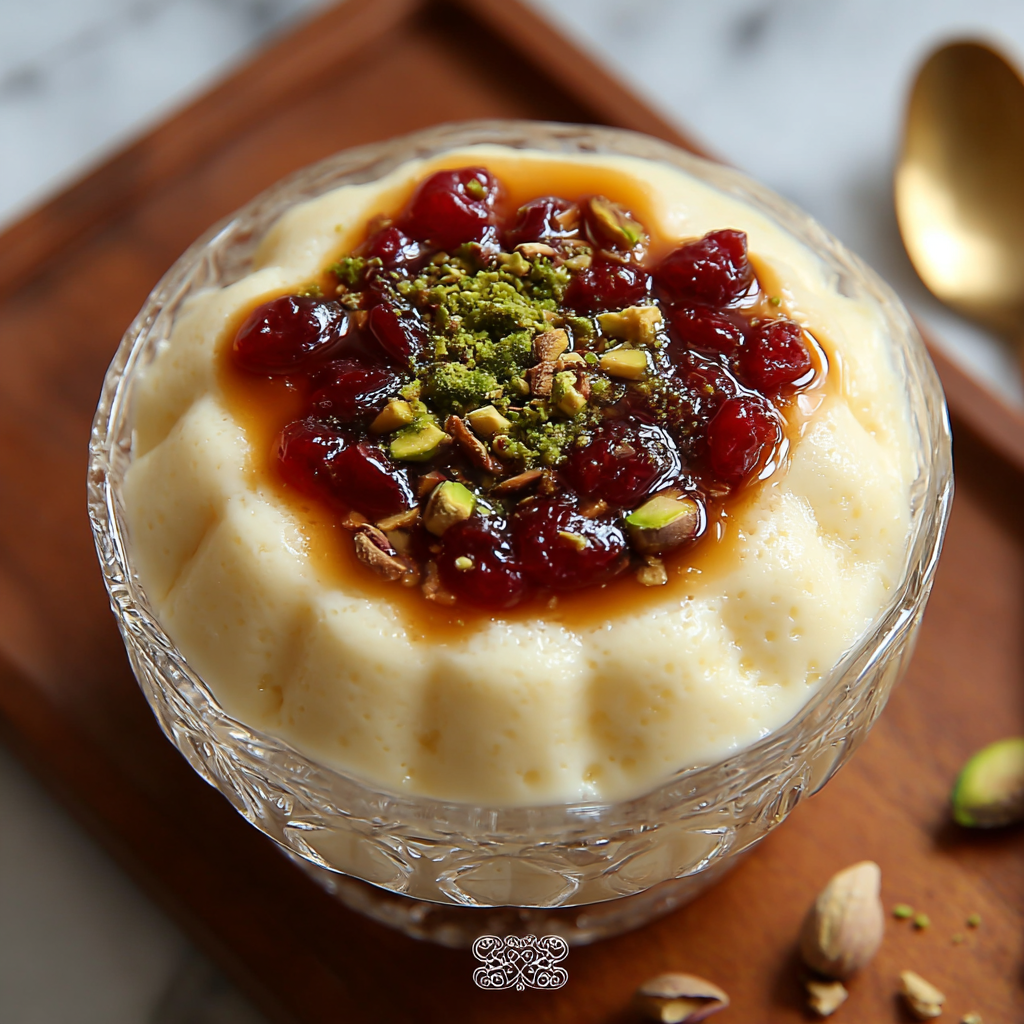
You Must Know
- This dessert is only lightly sweetened in the cooked layers — the simple syrup is essential to achieve the traditional sweetness level.
- Chill fully: at least 2 hours in the refrigerator ensures clean slices and a set texture; overnight makes slicing even easier.
- Store in an airtight container refrigerated for up to 3–4 days; the texture is best the first 48 hours.
- High in dairy: this contains milk and cream and is not suitable for dairy-free or vegan diets without substitutions.
My favorite thing about this dish is the ritual of finishing with syrup at the table — it feels ceremonial and invites conversation. Once, at a holiday dinner, the youngest guest insisted on adding pistachios to everyone’s plate; the playful moment turned into the night’s highlight and a recipe everyone still talks about.
Storage Tips
Keep leftovers refrigerated in an airtight container. If you’ve cut the dessert into slices, arrange them in a single layer or separate layers with parchment to prevent sticking. Refrigerated slices stay good for 3–4 days; the texture will continue to meld and may become slightly denser. For longer storage, keep the semolina layer and the syrup separate: freeze the set semolina-ashta slab wrapped tightly in plastic for up to 1 month, then thaw overnight in the refrigerator and refresh with warm syrup before serving.
Ingredient Substitutions
If you don’t have heavy cream, substitute with an equal amount of whole milk plus 2 tablespoons of butter for richness in the ashta, though the texture will be slightly lighter. Rose water can replace orange blossom water for a different floral profile — use slightly less (about 1/2 tsp) as it is stronger. For a gluten-free take, replace semolina with finely ground rice flour or a gluten-free semolina alternative and reduce cooking time slightly while watching consistency.
Serving Suggestions
Serve chilled slices on a clean white platter and finish with a generous sprinkle of crushed pistachios and a light drizzle of syrup for shine. Pair with strong coffee, mint tea, or a light fruity wine. For parties, spoon a little extra ashta or whipped cream beside each slice and offer extra citrus zest (orange or lemon) for guests who like bright contrast.
Cultural Background
Layali Lubnan, literally "Lebanese Nights," is a beloved Middle Eastern dessert with variations across Lebanon and the Levant. Traditionally it showcases ashta — a clotted cream — layered over semolina or milk pudding and finished with nuts and syrup. The floral notes of orange blossom or rose water and the use of pistachios are signature elements that reflect regional flavor preferences and hospitality traditions.
Seasonal Adaptations
In spring and summer, use a lighter touch of syrup and add fresh fruit like sliced figs or pomegranate seeds on top for color and brightness. For winter or holidays, increase the use of aromatic spices: a whisper of ground cardamom in the semolina or a pinch of cinnamon in the syrup complements the creamy layers. For celebrations, layer with a thin sheet of toasted shredded phyllo (kataifi) under the pistachios for texture contrast.
Meal Prep Tips
Make the ashta and semolina layers ahead and store separately in the refrigerator for up to 48 hours; assemble on the day of serving for the freshest texture. Prepare the syrup in advance and keep it warm in a thermos, or cool and refrigerate then reheat gently. When slicing for packed lunches or events, use a thin-bladed knife dipped in hot water and wiped between cuts for clean edges.
Layali Lubnan is a dessert worth teaching and sharing: simple ingredients, small techniques, and a generous final touch of syrup create something comforting and celebratory. Make it your own with different blossoms, nuts, or spice accents, and enjoy the smiles it brings to the table.
Pro Tips
Use fine semolina for a silkier texture and whisk constantly to avoid lumps while cooking.
Press plastic wrap directly onto the ashta surface as it cools to prevent a skin from forming.
Warm the simple syrup slightly before drizzling so it absorbs more evenly into chilled slices.
If using ground mastic, pulverize it between spoon handles or with a pinch of sugar before adding to avoid clumps.
This nourishing layali lubnan (semolina milk pudding) recipe is sure to be a staple in your kitchen. Enjoy every moist, high protein slice — it is perfect for breakfast or as a wholesome snack any time.
FAQs about Recipes
Can I make this ahead of time?
Yes. Assemble and refrigerate for up to 3–4 days. Keep simple syrup separate and drizzle when serving for optimal texture.
What is ashta?
Ashta is a thick cream made from milk or cream that serves as a traditional topping. In this recipe it's replicated using milk, heavy cream, flour, and cornstarch.
Tags
Layali Lubnan (Semolina Milk Pudding)
This Layali Lubnan (Semolina Milk Pudding) recipe makes perfectly juicy, tender, and flavorful steak every time! Serve with potatoes and a side salad for an unforgettable dinner in under 30 minutes.
Ingredients
Semolina Layer
Ashta Topping
Simple Syrup
Topping
Instructions
Make the ashta
Whisk milk, cream, flour, cornstarch, and sugar off the heat until lump-free. Heat over medium-high, whisking continuously, until thick and creamy (about 4–6 minutes). Remove, add optional orange blossom water, cover surface with plastic to prevent skin, and cool.
Prepare semolina layer
Combine semolina, milk, sugar, and ground mastic off heat. Cook over medium-high, stirring constantly until the mixture thickens and becomes pourable yet holds shape (about 8–12 minutes). Stir in orange blossom water at the end.
Assemble layers
Pour the semolina into a 9x11-inch pan and spread evenly. Rest 8–10 minutes, then spread the ashta on top and sprinkle with crushed pistachios.
Make simple syrup
Simmer sugar and water for 5–10 minutes until slightly thickened, remove from heat, stir in orange blossom water to taste, and keep warm or room temperature for serving.
Chill and serve
Cover and refrigerate for at least 2 hours. Slice into 15 pieces and drizzle syrup over each slice when serving. Store leftovers refrigerated up to 3–4 days.
Last Step: Please leave a rating and comment letting us know how you liked this recipe! This helps our business to thrive and continue providing free, high-quality recipes for you.
Nutrition
Did You Make This?
Leave a comment & rating below or tag
@sararecipes on social media!
Categories:
You might also like...

Cheesy Chicken Garlic Wraps
Golden chicken tucked into crisped tortillas with melty cheddar and mozzarella, plus a creamy garlic sauce. Weeknight-friendly and ready in 25 minutes.
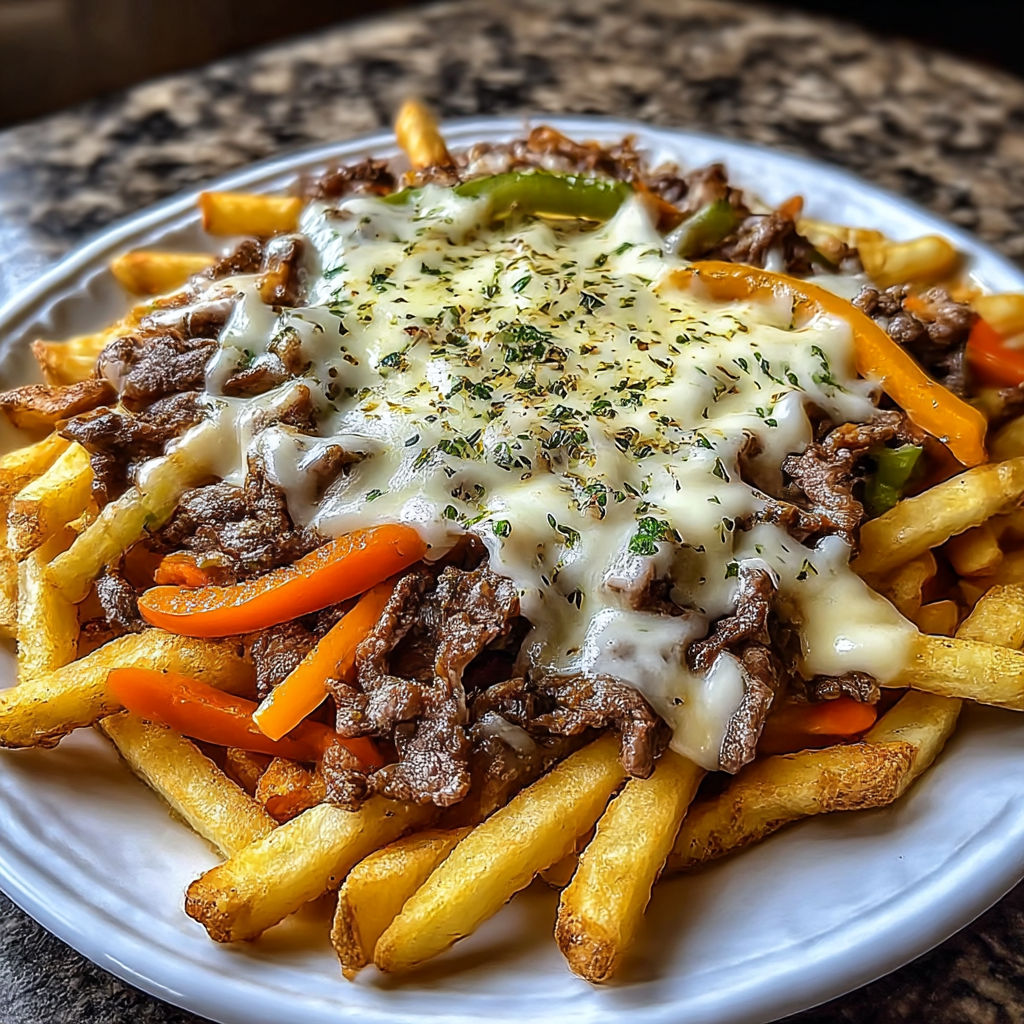
Philly Steak Cheese Fries
Crispy waffle fries piled with tender sliced steak, sautéed peppers and onions, and gooey American cheese—an indulgent, shareable skillet perfect for weeknight dinners or game-day gatherings.
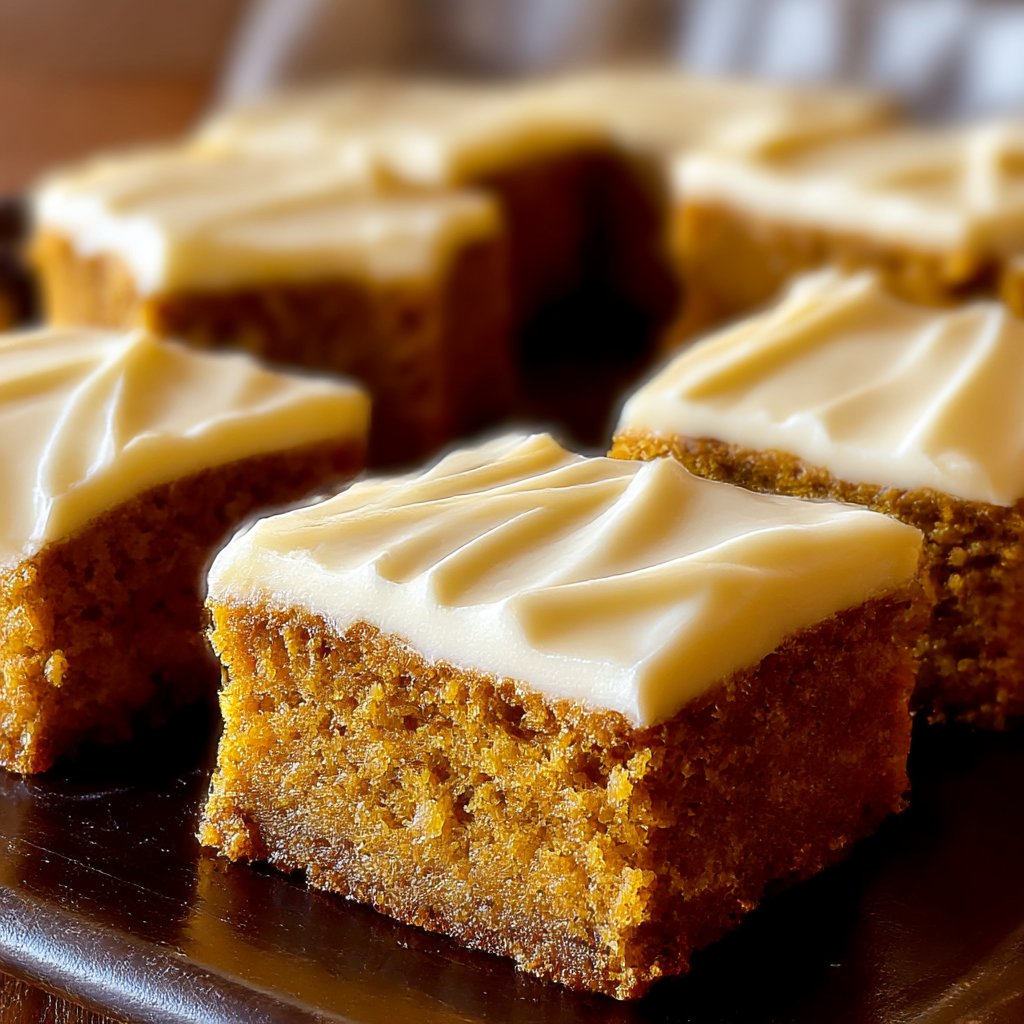
Old-Fashioned Pumpkin Bars with Cream Cheese Frosting
Tender, spiced pumpkin bars finished with a silky cream cheese frosting—perfect for fall gatherings, potlucks, and cozy afternoons.
Did You Make This?
Leave a comment & rating below or tag @sararecipes on social media!
Rate This Recipe
Share This Recipe
Enjoyed this recipe? Share it with friends and family, and don't forget to leave a review!
Comments (1)
This recipe looks amazing! Can't wait to try it.
Comments are stored locally in your browser. Server comments are displayed alongside your local comments.
Hi, I'm Sara!
What's Popular
30-Minute Meals!
Join to receive our email series which contains a round-up of some of our quick and easy family favorite recipes.